
Yes, they’re worth it, but only in the right situation. It is better to understand these factors before buying will help you decide if they’re the right fit for your project.
Introduction
When you try to replace your floor tiles, it can be expensive. Also, not everyone has the time or budget for a full renovation. That’s one reason peel and stick floor tiles have become so popular. They are affordable, easy to install, and can give a room a fresh new look without hiring a professional. Here you can check out on how peel and stick flooring works.
But are they actually worth buying?
The answer depends on what you expect from your floor. For some people, peel and stick flooring is a smart way to update a room on a budget. For others, it may not be the best choice, especially if they want a floor that lasts for decades or can handle heavy daily use.
In this guide, you’ll learn the real advantages and disadvantages of peel and stick floor tiles. We’ll also cover how they perform over time, where they work best, and what you should know before spending your money.
Are Peel or Stick Tiles Actually Worth it or Not?
Yes, they’re worth it, but only in the right situation.
Peel and stick floor tiles are a smart pick for renters, small budgets, and quick updates. They work best on clean, smooth, and properly prepared floors and are ideal for DIY flooring projects, or small room makeovers.
However, they’re not the right pick if you want something that lasts 10+ years or if your room stays very wet or very hot most of the time. Their durability depends on the quality of the product, the condition of the subfloor, and how well they are installed. If you want to understand the durability of vinyl plank floors and peel and stick tiles, you can read here.
It is better to understand these factors before buying will help you decide if they’re the right fit for your project.
Why Are Peel and Stick Floor Tiles So Popular?
A few years back, hardly anyone knew this stick and tile stuff existed. Now you can’t scroll five minutes without seeing an apartment makeover using peel flooring.
Unlike traditional flooring, it doesn’t require messy glue, nails, or special tools. In this flooring, each tile comes with a pressure-sensitive adhesive on the back. Once the protective paper is removed, the tile sticks directly to the floor. This simple installation process saves both of your time and money.
Another reason people choose it is the cost. When compared to ceramic tile, hardwood, or many other flooring materials, peel and stick flooring is a budget flooring option. It allows homeowners to refresh a room without spending thousands of dollars.
For renters, peel and stick flooring can also be a practical temporary flooring solution. Some products can be removed more easily than traditional flooring, making them a popular choice for apartment updates. However, it’s always important to check the lease agreement before installing any type of flooring.
Pros of Peel and Stick Floor Tiles
Before deciding if peel and stick floor tiles are worth it, it’s important to understand what they do well. While they aren’t perfect for every situation, they offer several benefits that make them a popular choice for homeowners and DIY beginners.
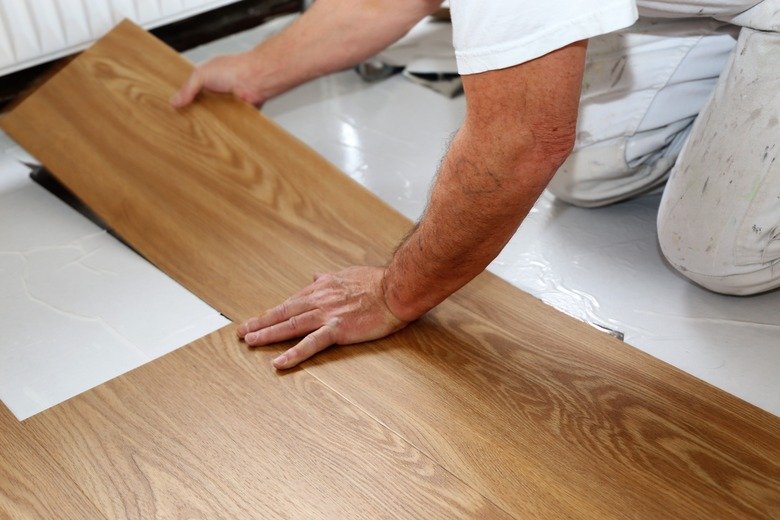
If you’re planning to install them yourself, our Peel and Stick Flooring Installation Guide walks through the process step by step.
1. Lower Upfront Cost
One of the biggest reasons homeowners choose peel and stick floor tiles is their affordable price. They cost much less than hardwood, ceramic tile, or natural stone, making them a practical option for budget-friendly renovations.
2. Easy for DIY Projects
Peel and stick flooring is designed for homeowners, not just professionals. With proper floor preparation, most beginners can install it using only a few basic tools. That’s why it’s often recommended for DIY flooring projects and first-time installers.
2. Renter-Friendly Tile
Since nothing about it is permanent, you can update your space without upsetting a landlord or losing your deposit. Unlike many flooring types, a damaged peel and stick tile can often be replaced on its own. Instead of removing the entire floor, you can simply replace the affected tile, saving both time and money.
3. Quick Room Makeover
Unlike traditional flooring, peel and stick tiles can transform a room in a short time. Once the subfloor is clean and ready, many small rooms can be finished in a single day. This makes them a practical choice for anyone looking for a fast home improvement project with minimal disruption.
4. Realistic Wood and Stone Looks
Modern peel and stick designs have come a long way. Now you can see many wood-look and stone-look styles that complete the modern look aesthetics. Hence, it is a big reason this flooring has replaced so many plain, outdated floors..
5. Easy Tile Maintenance and Repairs
Peel and stick flooring is easy to care for with regular sweeping and occasional mopping. If a tile becomes damaged, it can often be replaced without removing the entire floor. This simple maintenance makes it a convenient option for busy households.
6. Comfortable Underfoot
Peel and stick flooring is generally softer underfoot than ceramic tile. It feels warmer to walk on and can be more comfortable for people who spend long periods standing in the kitchen, laundry room, or home office.
7. Covers Minor Floor Imperfections
While it won’t hide major damage, peel and stick flooring can help cover small stains, faded finishes, or minor cosmetic imperfections, giving older floors a cleaner appearance without extensive repairs.
8. Great for Temporary Updates
If you’re renovating a rental property, updating a guest room, or looking for a temporary flooring solution, peel and stick tiles can be a practical choice. They provide an affordable way to improve the look of a room without committing to a more expensive permanent floor.
9. Less Renovation Mess
Unlike ceramic tile or hardwood installation, peel and stick flooring doesn’t involve grout, mortar, sanding, or heavy construction. That means less dust, less noise, and a much cleaner installation process.
The Drawbacks of Using Peel and Stick Floor Tiles
Like any flooring option, peel and stick floor tiles come with a few cons. While they offer many benefits, they also have some limitations that are important to understand before making a decision. Knowing these drawbacks will help you set realistic expectations and decide whether peel and stick flooring is the right choice for your home.
1. Shorter Lifespan
If you’re looking for flooring that will last 20 or 30 years, peel and stick tiles may not be the best investment. Their lifespan is usually shorter than hardwood, ceramic tile, or luxury vinyl plank.
However, a quality product installed on a properly prepared floor can still last for several years in normal household conditions.
2. Not Ideal for Every Room
Peel and stick flooring works well in many areas of the home, but it’s not the best choice for every space.
Rooms with constant moisture, heavy furniture, or very high foot traffic can put extra stress on the tiles. Before buying, think about where the flooring will be installed, not just how it looks.
3. Heat Can Weaken the Adhesive
Peel and stick floor tiles don’t always perform well in rooms that get very hot. Direct sunlight or high temperatures can soften the pressure-sensitive adhesive, making the corners of the tiles lift over time.
If the room has large windows or gets strong afternoon sun, choose a high-quality product and use window coverings when possible.
4. Water Can Reach the Seams
Many peel and stick tiles are waterproof, but the seams between the tiles are still a weak point. If water sits on those joints for a long time, it can work its way underneath and weaken the adhesive. Hence it is better to clean up spills quickly. It will help improve the flooring’s long-term performance, especially in kitchens and bathrooms.
5. Requires Proper Floor Preparation
One of the biggest reasons peel and stick flooring fails is poor subfloor preparation.
The tiles stick best to a clean, dry, and level surface. If the floor has dust, moisture, cracks, or uneven spots, the adhesive may not bond properly. Over time, this can cause corners to lift or tiles to shift. Even if you skip this step, it can reduce both the flooring’s durability and overall performance.
Peel and Stick Flooring: Common Expectations vs. Reality
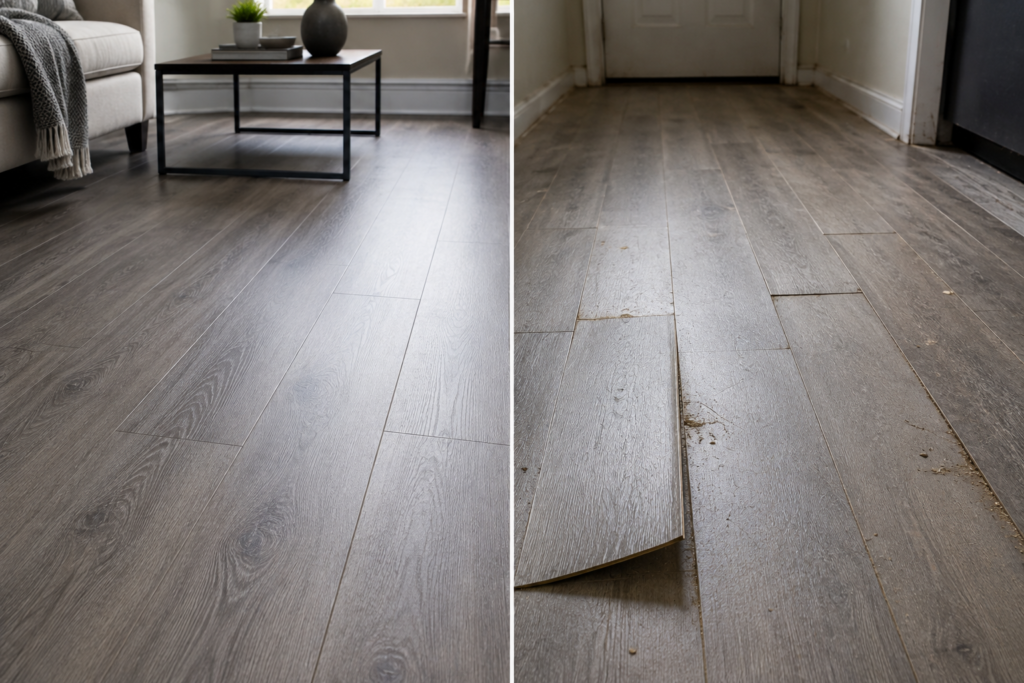
A lot of confusion around peel and stick flooring comes from what people expect versus what actually happens once the tiles are down. Here’s a clear, honest look at both sides.
| Expectation | Reality |
| “It will last forever.” | Peel and stick flooring is designed to last for years, not decades. Most quality products last between 3 and 7 years, while premium options installed correctly may last even longer. |
| “It’s completely waterproof.” | Not every product is waterproof. Some are only water-resistant, so always check the manufacturer’s specifications before installing them in wet areas. |
| “It works on any floor.” | A smooth, clean, and dry subfloor is essential. Poor floor preparation is one of the main reasons tiles fail or start lifting. |
| “All peel and stick tiles are the same.” | Product quality varies. Better tiles usually have stronger adhesives, a thicker wear layer, and better overall durability than cheaper options. |
| “It looks cheap.” | Cheap ones can look fake, but good ones look surprisingly real, even up close. Many designs closely resemble wood, stone, or ceramic tile, giving rooms a stylish look without the high price. |
| “Installation is foolproof.” | Peel and stick flooring is beginner-friendly, but installation quality still matters. Careful measuring, proper alignment, and firmly pressing each tile into place all affect the final result. |
What Happens to Peel and Stick Floor Tiles Over Time (What to Expect)
Peel and stick floor tiles don’t stay exactly the same forever. Like any flooring, they change with daily use. How well they perform depends on the product quality, the room they’re installed in, and how well they’re maintained. Here’s what you can realistically expect over time.
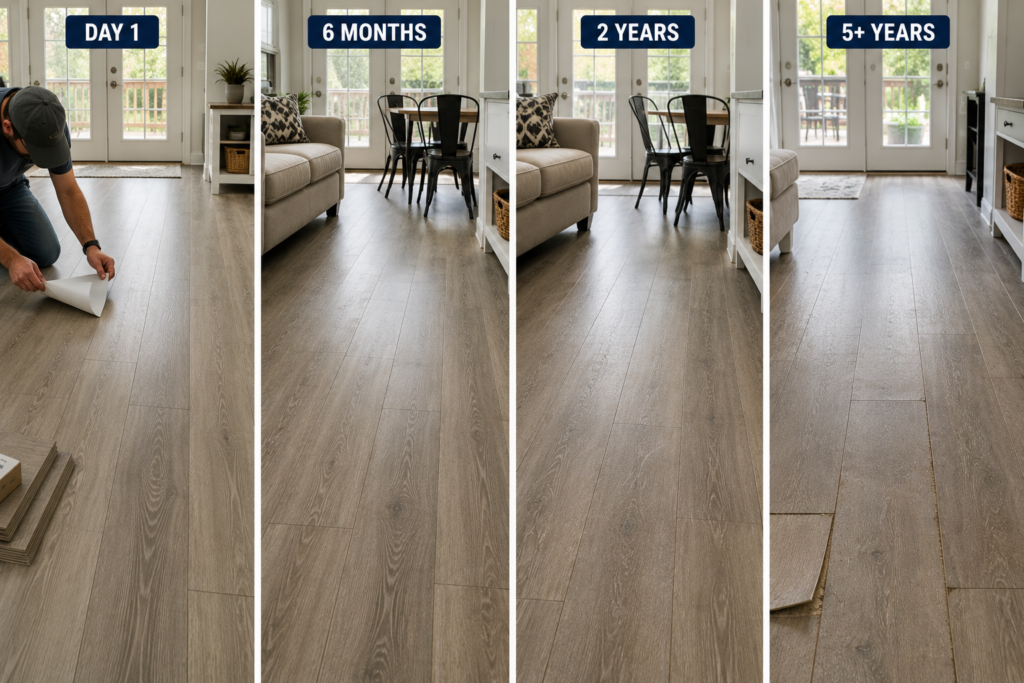
- First Week
The floor should feel secure, flat, and fully bonded to the subfloor. If a tile starts lifting within the first few days, it’s often a sign that the surface wasn’t cleaned properly or the tile wasn’t pressed down firmly during installation.
- After 6 Months
With normal household use, the floor should still look almost new. Regular sweeping and cleaning are usually enough to maintain its appearance. At this stage, most homeowners won’t notice any major changes unless the flooring is exposed to heavy moisture or direct sunlight every day.
- After 1-2 Years
The floor should continue performing well in most rooms. In busy areas like kitchens or hallways, you may begin to notice light scratches, small scuff marks, or minor wear. Choosing a product with a thicker wear layer can help reduce these signs of everyday use.
- After 3-5 Years
This is when lower-quality products often begin to show their age. Corners may start lifting, the surface can lose some of its original finish, and the adhesive may weaken in areas exposed to frequent foot traffic or moisture. Well-installed, high-quality tiles usually continue performing well, especially in bedrooms, home offices, and other low-traffic spaces.
- After 5-10 or More Years
Many premium peel and stick floor tiles can still look good after several years if they have been properly maintained. However, you may notice fading, worn edges, or damaged tiles in high-use areas. Instead of replacing the entire floor, individual tiles can often be replaced to restore its appearance.
How Much Do They Really Cost Each Year?
The upfront price is only part of the story. A better way to judge value is to look at how much the flooring costs for each year you use it. While the exact cost depends on the product and how well it’s maintained, the table below gives a simple idea of what to expect.
| Floor Cost | Average Lifespan | Estimated Cost Per Year |
| $250 | 3 years | About $83/year |
| $350 | 5 years | About $70/year |
| $500 | 8 years | About $63/year |
| $700 | 10 years | About $70/year |
However, if you are looking for a detailed price breakdown? Our Peel and Stick Flooring Cost Guide explains material costs, installation expenses, and what you can expect to pay for different room sizes. You can also compare it to other flooring types.
Final Thoughts
So, are peel and stick floor tiles worth it?
For many homeowners, the answer is yes, as long as they understand what they’re buying. Peel and stick flooring offers an affordable, easy-to-install way to refresh a room without the high cost of traditional flooring. It’s a great choice for DIY projects, budget-friendly renovations, rental properties, and low-traffic areas.
At the same time, it’s important to have realistic expectations. Proper floor preparation, choosing a quality product, and installing it correctly all play a big role in how well the flooring performs and how long it lasts.
If you’re looking for a quick and cost-effective flooring solution, peel and stick floor tiles can be a smart investment. But if your goal is a floor that will last for decades or handle heavy daily use, a more durable flooring option may be the better choice.
In the end, peel and stick floor tiles are worth it when they’re used in the right room, for the right purpose, and with the right expectations.